
Stormwater Drainage Checklist for Adelaide Homes: Preparing for Winter Rain
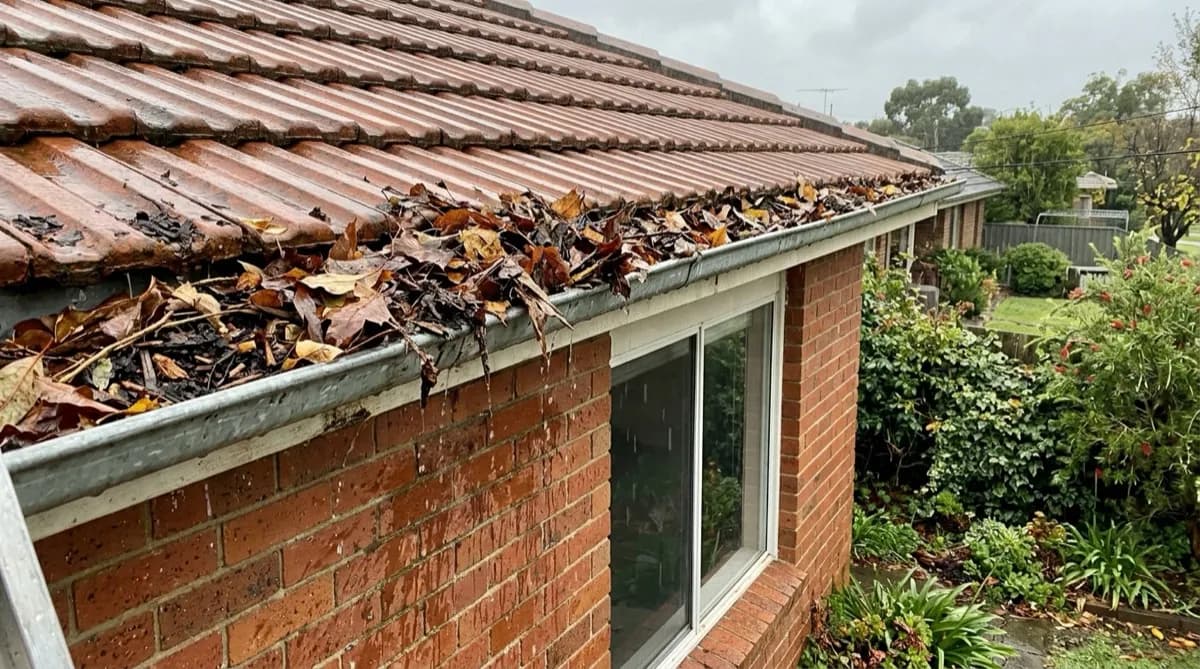
Every autumn I get the same phone calls from homeowners who've just had their first decent rain since summer and discovered that something's not quite right. Water pooling where it shouldn't. Gutters overflowing. That suspicious damp patch on the garage wall that wasn't there in March.
The thing is, most of these problems didn't appear overnight. They built up slowly over the dry months while nobody was paying attention. And now, with Adelaide's wettest period just weeks away (June alone averages around 80mm), those small issues are about to become expensive ones.
Here's the check-up I walk through on my own property every April, and what I'd recommend for yours.
Start at the Top: Gutters and Downpipes
Your gutters are the first line of defence in your stormwater system. Everything flows from here, so if they're blocked, nothing downstream works properly.
What to look for:
- Leaf and debris buildup, especially if you've got gum trees, pines, or anything that sheds over summer. Even a thin layer of leaf matter can slow water flow enough to cause overflow in a heavy downpour.
- Sagging or pulling away from the fascia: gutters that have dropped even slightly won't drain toward the downpipe correctly. Water sits, overflows, and runs down your walls instead.
- Rust spots or holes, particularly at joints and where screws penetrate the gutter. A small hole now becomes a big leak under winter rain pressure.
- Downpipe connections: check where the gutter meets each downpipe. Gaps here mean water goes straight onto your foundations instead of into the drainage system.
The quick test: Grab a garden hose, run it into the gutter at the furthest point from the downpipe, and watch what happens. Water should flow smoothly to the downpipe with no pooling, overflowing, or slow spots. If it doesn't, you've found your problem area.
Follow the Water Down: Downpipes and Connections
Once water leaves the gutter, it needs a clear path underground. This is where a lot of Adelaide homes have hidden issues.
Check these:
- Downpipe brackets: make sure they're secure. A loose downpipe that separates at a join during heavy rain can dump hundreds of litres against your house wall in minutes.
- Ground-level connections: where the downpipe meets the underground stormwater pipe, look for gaps, cracks, or soil erosion around the join. If you can see daylight between the downpipe and the underground pipe, water is escaping into your foundations.
- Leaf diverters and filters: if you've got these installed (common if you have a rainwater tank), pull them out and clean them. A clogged filter is worse than no filter, because it creates a dam right where you need flow.
Check Your Pits and Grates
Most Adelaide properties have at least one stormwater pit: that square grate in your driveway, garden, or near the downpipes. These are collection points where water enters the underground system, and they're magnets for debris.
What to do:
- Lift the grate and clear out any silt, leaves, or rubbish that's accumulated. You'd be surprised what ends up in there over summer: kids' toys, bark mulch, even the occasional garden glove.
- Check that the pit walls aren't cracked and the outlet pipe (the one that takes water away) is clear. Pour a bucket of water in and watch it drain. If it's slow, there's a blockage further downstream.
- While you're at it, check your driveway and patio grates aren't sitting proud of the surface. If the surrounding concrete has settled, water will flow around the grate instead of into it.
The Yard: Where Does the Water Actually Go?
Walk your property after a shower of rain (or just water the garden thoroughly) and watch where the water flows. You're looking for:
- Low spots where water pools, especially near the house. Over summer, soil can compact and shift, creating new low points that direct water toward your foundations rather than away from them.
- Garden beds against the house: if you've added mulch or soil during summer, check that you haven't built up the ground level above your weephole or damp course line. This is one of the most common causes of damp walls in Adelaide homes.
- Retaining walls: check the weepholes (those small pipes poking through the wall) are clear and draining. Blocked weepholes mean water builds up behind the wall, which can cause it to fail under the hydrostatic pressure of a wet winter.
If You've Got a Rainwater Tank
Tanks need a bit of pre-winter attention too:
- Clean the first flush diverter: this device diverts the first dirty run of rainwater away from your tank. If it's full of sludge from summer dust, it won't work properly and contaminated water goes straight into your tank.
- Check the overflow: your tank overflow should connect to the stormwater system, not just dump water next to the tank. If the overflow isn't connected or the pipe is blocked, heavy rain will flood the area around the tank.
- Inspect the inlet screen: the mesh filter where water enters the tank catches leaves and bugs. Clean it now so it's ready for the high-flow winter months.
If You've Got a Sump and Pump
For properties that rely on a sump and pump system to move water uphill to the street drainage, autumn is the time to make sure it's working.
- Test the pump: pour water into the sump pit until the float switch triggers. The pump should kick in and clear the water within a minute or two. If it's slow, noisy, or doesn't start at all, get it serviced before winter.
- Check the discharge pipe: make sure the pipe that carries water from the pump to the street drain is secure and not blocked. A disconnected discharge pipe means the pump is running but the water goes nowhere useful.
- Clean the pit: remove any sediment or debris from the sump pit. Silt buildup can interfere with the float switch and reduce the pit's holding capacity.
The 20-Minute Version
Short on time? Here's the bare minimum before winter:
- Clear gutters and test downpipe flow with a hose
- Lift and clean one stormwater pit grate
- Walk the perimeter of your house and check soil isn't above the damp course
- If you have a sump pump, pour water in and confirm it triggers
Even just these four things will catch the majority of issues before they become winter flooding problems.
When to Call a Professional
Some things are hard to check yourself: underground pipe blockages, damaged stormwater lines, or systems that need upgrading. If you're noticing any of these, it's worth getting a proper assessment before winter hits:
- Water pooling in new places that it didn't last year
- Gurgling sounds from drains during rain
- Damp patches appearing on internal walls after rain
- Your sump pump running constantly or not at all
- Persistent bad smells from drains (could indicate a cross-connection with sewer)
Don't wait for the first big winter downpour to find out your drainage can't cope. Get in touch with Stormwater Plus for a pre-winter stormwater assessment. We'll check your system end-to-end and fix any issues before Adelaide's wet season kicks in.